
I’ve walked into houses where the front door alone told me everything about the build quality inside. Sounds dramatic, but its true people notice a badly finished door faster than almost anything else in a home, and they notice a great one too, even if they can’t say exactly why it looks so good.
It's Not Just a Coat of Varnish
Most people think “polish” means the last thing that happens before a door ships out. It’s not, really. The quality of polish finish is dependent on all previous steps; from the way the wood was sawn to the time it dried out and the way it was sanded after each coat of paint. Otherwise, nothing can be done to save the door. Give it six months and the finish starts looking patchy, especially around the panels where moisture gets in first.
At MSFIPL, wood gets seasoned down to 8-12% moisture before anyone even thinks about polish. That number matters because Gujarat’s climate is brutal on timber monsoon humidity one season, bone-dry heat the next. A door seasoned wrong will start telling on itself within a year: small cracks, a dull patch here and there, maybe some warping at the edges. One seasoned properly just doesn’t do that.
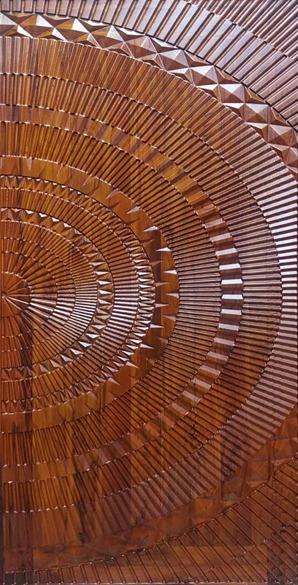
Why Hand Polishing Beats Spray Every Time
Spray finishes are faster. In addition, they are flatter, in all ways. The application of spray does not conform itself to the natural structure of the wood, resulting in the absence of the necessary depth that gives wood its unique look. A hand-rubbed polish process is longer and more expensive but allows each board to reveal its unique structure in a different way. Each panel will have its own appearance, which is why people buy solid wood.
The Boring Part That Actually Matters Most
Here’s something most people skip over: 70% of a good finish is what happens before polishing starts. Precise CNC carving means tight joints and clean edges, which means no filler is needed to patch gaps. And gaps are exactly where moisture sneaks in and ruins a good polish job over time. So when a door looks flawless three years in, it’s usually because the carving was flawless three years ago, not because someone used a fancier varnish.
Why This Matters for Builders, Not Just Homeowners
For architects and contractors, there’s a practical upside too. Polished wood ages differently than paint or laminate. Scratches on a laminate door show up as ugly bare patches. Scratches on a polished wood door can usually be buffed out and re-shined without redoing the whole thing. Over a ten-year building lifecycle, that’s a real maintenance saving, not just an aesthetic one.
If you’re specifying luxury polished wooden doors for a project, ask your manufacturer whether polishing happens in-house or gets outsourced. It matters more than people assume outsourced finishing rarely stays consistent across a large order. MSFIPL runs the whole process, timber to final polish, at its Gujarat facility. Samples and design catalogs are available at MSFIPL.
Frequently Asked Questions
1. How long does a polished wood door actually hold its shine?
Realistically 8-10 years before it needs a re-buff, sometimes longer indoors where it’s not fighting direct sun and humidity.
2. Can the size and design be customized, or is it fixed sizes only?
Customized. MSFIPL works off architectural drawings rather than a fixed catalogue, so odd door sizes aren’t a problem.
3. Does the wood have to be teak to get a good polish?
No. Teak just happens to be popular. Well-seasoned pine and select hardwoods take polish just as well.