
Most Wooden Main Door problems don’t begin at installation. They begin much earlier, at the point of selection.
While a showroom can easily show the aesthetics of a door, the actual main door needs to stand the test of time through various weather, daily usage and stress. A door’s durability, strength and security depend on wood quality, construction method, sizing, and installation.
If you are building a new house or renovating an existing one, below are some of the more typical errors you should avoid.
1. Prioritising Design over Quality
A beautifully designed door will change how people see your home as they approach, but don’t choose one solely for its looks.
That eye-catching door might look great, but if it’s been poorly made from inferior quality wood, it could crack, twist, come loose, or can develop structural issues over time, especially when proper timber selection, seasoning, and manufacturing processes are not followed.
So, before you buy, look at both sides: how the door looks and how it’s actually built.
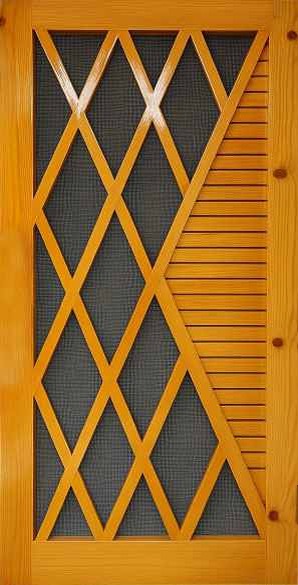
2. Selecting the Wrong Wood Type
Not all wood species offer the same level of strength, durability, and weather resistance.
- Popular options include:
- Teak wood for exceptional durability and natural termite resistance
- Sal wood for structural strength and stability
- Pine wood for affordability and versatility
- Hardwood species for premium appearance and longevity
Which will suit best will depend on your budget, your climate, and how much maintenance you’re willing to do.
3. Ignoring Weather Conditions
The biggest problem for a main door is weather conditions i.e. humidity, rain, sunlight, and temperature variations, which directly affect the wood over time, causing swelling, shrinking, cracking, or warping if the door isn’t properly built.
- To reduce these risks, key factors include:
- Kiln-dried or well-seasoned timber for stability
- Weather-resistant coatings for protection
- High-quality finishes for durability
This matters even more for the main entrance door, since it faces the elements every single day.
4. Overlooking Security Features
Your main door plays an essential role in protecting your home and family. Some important factors to consider while purchasing a door are:
- Door thickness
- Solid wood construction
- Reinforced door frames
- Premium locks and hardware
- Professional installation
- Quality hinges and accessories
A well-built wooden entrance door can make a real difference to how secure your home feels.
5. Selecting the Wrong Door Size
A door that is too small can look disproportionate, while an oversized door may create installation challenges and increase costs.
- Before finalising a design, ensure accurate measurements of:
- Door opening dimensions
- Frame measurements
- Wall thickness
- Required clearance space
- Overall proportions of the entrance area
Consult an experienced wooden door manufacturer to ensure proper sizing and avoid costly changes later.
6. Neglecting the Door Frame
Many buyers spend time selecting a door but forget about the importance of the frame.
The frame plays an important role in the overall strength and security of the door, and it should be strong enough to support the weight of door.
- Popular choices include:
- Teak wood door frames
- Sal wood door frames
- Engineered wood door frames
- Customized hardwood frames
For the best results, choose the door and frame together to ensure compatibility and long-term performance.
7. Ignoring Maintenance Requirements
With proper maintenance, wooden doors can easily last for decades but various species of wood need different care.
- Before buying, ask about:
- Recommended finishes
- Cleaning procedures
- Re-polishing schedules
- Moisture protection
- Termite resistance
- Repair and refinishing requirements
Understanding maintenance needs in advance helps to prevent unexpected expenses in the future.
8. Choosing Based Only on Price
Buying the cheapest option isn’t always a win. It may save money upfront, but it can cost more in repairs, replacements, and maintenance over time.
- When comparing options, consider:
- Timber quality
- Manufacturing standards
- Hardware quality
- Customization options
- Warranty support
- Customer feedback
- Industry experience
A slightly higher investment often delivers better durability, security, and long-term value.
Frequently Asked Questions
1. What type of wood should I use for a wooden front door?
Teak wood is the ideal choice for a wooden main door because of its durability, strength, natural termite resistance, and long lifespan.
2. Before purchasing the main door, what should I look for?
Before purchasing a main door, you should look for the type and quality of wood, door thickness, proper seasoning, frame strength, and the quality of hardware used. You should also consider security features, weather resistance, and overall durability to ensure long-lasting performance.
3. Do you offer wooden door and frame sets?
Yes, we offer high quality wooden door and frame sets, including teak wood doors, solid wood doors and matching wooden door frames. We also offer custom wooden entrance door and frame combinations for residential and commercial projects.
Conclusion
Selecting the right wooden main door comes down to more than just looks. Wood quality, durability, security, weather resistance, sizing, frame quality and maintenance all play a part in how well it performs over time.
Avoiding these common mistakes means you end up with a door that adds to your home’s beauty while giving you lasting strength, security and value.
Maa Santoshi Furniture Industries Pvt. Ltd. is a trusted wooden door manufacturer in India, offering premium wooden doors, designer doors, CNC carved doors, flush doors, panel doors, front double doors, wooden door frames and customized entrance solutions for residential, commercial, architectural and export projects.