
Solid wood has real upsides they have natural look & are durable but also real downsides: they are heavy, expensive, and prone to warping or shrinking with humidity changes. Veneer doors exist for exactly this reason real wood look, without dragging along all of solid timber’s baggage. That’s only true, though, if the veneer is actually engineered well and not just glued onto whatever board was cheapest that week.
What's Actually Under the Surface?
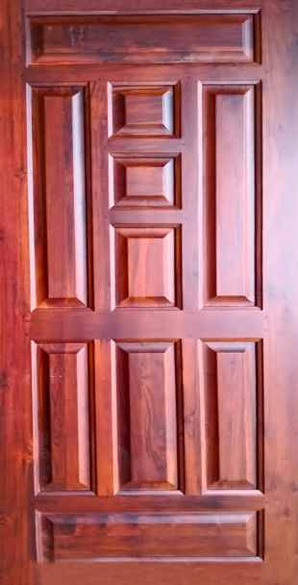
Veneer door consists of core and outer layer. The core is made up of either engineered or treated soft wood, whereas the outer layer is made up of thin slices of actual wood. The exterior part is real wood in thin layers; hence, when a good quality veneer door is manufactured, it is not deceptive in any way.
The Reason Designers Actually Prefer It
Solid wood grain is unpredictable door to door gorgeous for a single entryway, a real problem when a hotel needs twenty matching doors down one corridor. Veneer sheets can be sequence matched so the grain flows continuously from one door to the next. Try pulling that off with twenty solid slabs and see how far you get.
This Is Where Cheap Veneer Falls Apart, Literally
The bonding is everything here. Wrong adhesive, wrong pressure, unstable core, and the veneer starts peeling at the edges within a couple of years. It’s a common complaint, and it’s almost always a manufacturing shortcut, not a flaw in veneer as a material. MSFIPL runs stress testing, moisture checks, and glue-line shear testing on every production batch that last test specifically checks whether the bond holds under pressure, which is exactly where budget veneer doors tend to fail first.
Design Freedom You Don't Get With Solid Slabs
Book-matched veneer, where two adjacent sheets mirror each other into a symmetrical pattern, is basically only possible with veneer. Same goes for mixed-finish panels, geometric inlays, and slimmer door profiles that suit minimalist interiors. Solid wood can’t easily do any of that without a lot of waste and cost.
The Weight Thing Nobody Mentions
Veneer doors are simply lighter than solid ones. That sounds minor until you’re installing forty of them across a commercial project lighter doors mean less strain on hinges and frames over time, and noticeably faster installation. It’s a small detail on paper that turns into real time and cost savings on-site.
If a project calls for a clean, contemporary finish without solid timber’s weight or price tag, engineered veneer doors are worth specifying just ask to see the manufacturer’s bonding and testing process, not only a finished sample. MSFIPL manufactures under ISO 9001:2015 certification, and design options are viewable at MSFIPL.
If you’re sourcing a Veneer Door for a commercial or residential project, ask to see the manufacturer’s bonding and testing process before placing a bulk order.
Frequently Asked Questions
1. Is a veneer door as tough as solid wood?
For interior use, yes, roughly comparable when engineered properly. Solid wood still holds up better in high-exposure exterior conditions.
2. Can scratches on veneer be fixed?
Light ones, yes, with buffing. Deep scratches usually need a veneer patch since the wood layer itself is thin.
3. What's typically used as the core material?
Engineered wood, particleboard, or treated softwood, chosen based on how much strength and moisture resistance the project needs.