
“Pine” seems to be associated with soft and low-quality wood, although that is an unfair assumption since pine has been used in doors and furniture for ages in regions where the wood has sufficient density and strength. The issue was never the wood. It’s how it gets handled after it’s cut.
What Actually Separates a Good Pine Door From a Bad One
Pine carves more easily than teak, which sounds like a plus, and mostly is. But it’s also less forgiving if the seasoning process gets rushed.
Get the moisture content wrong and a pine door shrinks, swells, or twists within a year sometimes faster. Get it right, and you end up with something lighter than hardwood, easier on hinges, and honestly just as durable for most residential use.
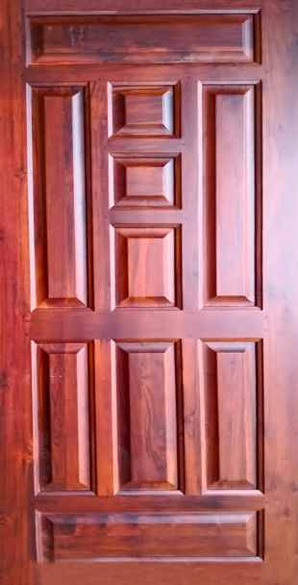
That Pale, Even Grain People Keep Asking For
The pine wood grain is also more consistent compared to teak wood grain. Stains do not blotch on pine wood and thus, it is commonly used in cabin and hill-station houses that require the wood to provide a cozy feel rather than formality. Pine also blends well with other elements like stones and bricks. It sits alongside them instead.
Kiln-Drying Is the Step Everyone's Tempted to Rush
This is the part that actually separates manufacturers. Freshly cut pine holds more moisture in its cell structure than teak does, so if kiln-drying gets cut short, the door will fail early full stop. At MSFIPL’s Anjar-Kutch facility, pine goes through automated seasoning kilns before it ever reaches a carving machine. Saving two or three days on drying might look good on a production schedule. It costs the customer years of usable door life. That trade isn’t close.
Where Pine Gives Designers More Room to Play
Once dried appropriately, pine wood cuts smoothly without breaking, making it ideal for intricate panel work and lattice designs compared to many hard woods. As a result, if one requires something that looks hand-crafted but does not require paying teak price, they usually find pine wood somewhere in the middle ground.
MSFIPL, as a Pine Door Manufacturer located in Gujarat, is responsible for the entire seasoning to carving process.
A Small Detail That Actually Affects Pricing
Most pine used in India is imported, so where a manufacturer is located actually changes the math. Proximity to Mundra and Kandla ports helps reduce the transit period for the pine raw material import, as well as expedite export orders to Nepal, UAE, and other such destinations. That’s a logistical matter, but it directly impacts lead times and cost of goods.
Selecting a Pine Door Manufacturer means choosing whether your product is going to last for a decade or warp after a year.
When you’re ordering natural pine doors and expect not just a stain on plywood but genuine craftsmanship, then you need to know how the raw pine was kiln-dried before making a large order. Product ranges and specs are available through MSFIPL.
Frequently Asked Questions
1. Can pine be used for main doors, or is it strictly interior?
Both, these days. It needs proper weather and termite treatment for exterior use, but that’s standard practice now, not a special request.
2. How much cheaper is pine compared to teak?
Roughly 30-40% less for a comparable door, which adds up fast on multi-unit residential projects.
3. Does pine need more upkeep than hardwood?
A little. Resealing every few years helps, especially in humid areas, but it’s not a heavy maintenance burden.